Archives
- 2026-04
- 2026-03
- 2026-02
- 2026-01
- 2025-12
- 2025-11
- 2025-10
- 2025-09
- 2025-03
- 2025-02
- 2025-01
- 2024-12
- 2024-11
- 2024-10
- 2024-09
- 2024-08
- 2024-07
- 2024-06
- 2024-05
- 2024-04
- 2024-03
- 2024-02
- 2024-01
- 2023-12
- 2023-11
- 2023-10
- 2023-09
- 2023-08
- 2023-06
- 2023-05
- 2023-04
- 2023-03
- 2023-02
- 2023-01
- 2022-12
- 2022-11
- 2022-10
- 2022-09
- 2022-08
- 2022-07
- 2022-06
- 2022-05
- 2022-04
- 2022-03
- 2022-02
- 2022-01
- 2021-12
- 2021-11
- 2021-10
- 2021-09
- 2021-08
- 2021-07
- 2021-06
- 2021-05
- 2021-04
- 2021-03
- 2021-02
- 2021-01
- 2020-12
- 2020-11
- 2020-10
- 2020-09
- 2020-08
- 2020-07
- 2020-06
- 2020-05
- 2020-04
- 2020-03
- 2020-02
- 2020-01
- 2019-12
- 2019-11
- 2019-10
- 2019-09
- 2019-08
- 2019-07
- 2019-06
- 2019-05
- 2019-04
- 2018-11
- 2018-10
- 2018-07
-
Heme activates the master regulator of
2022-02-28
Heme activates the master regulator of the anti-oxidant stress response, NRF2, which mediates the up-regulation of a battery of phase II detoxifying genes [106]. Remarkably, HO-1 induction by NRF2 is regulated via an interplay with the transcriptional repressor BACH1 at the Maf recognition Ezetimibe
-
br Discussion The aminoglycoside antibiotic gentamicin conti
2022-02-28
Discussion The aminoglycoside antibiotic gentamicin continues to be an important agent against life threatening infections. However, nephrotoxicity is a major complication of the gentamicin administration. Thus amelioration of nephrotoxicity would enhance its clinical use. Several approaches invo
-
The endocytic inhibitors MDC and CPZ and dynamin GTPase bloc
2022-02-28
The endocytic inhibitors MDC and CPZ and dynamin GTPase blocker (dynamin mutant) have been shown to significantly decrease the intracellular accumulation of cGMP. Moreover, earlier reports suggested that G-protein-coupled receptor (GPCRs) continue to signal by generating cAMP throughout internalizat
-
Several previous reports have demonstrated that
2022-02-26
Several previous reports have demonstrated that epithelial cell migration is important in promoting mucosal repair after damage caused by DSS and nonsteroidal anti-inflammatory drugs [33], [34], [35]. Cell migration is coordinated by many factors, including fibronectin and its receptor integrin α5,
-
Introduction Glycine Fig has two pivotal functions as neurot
2022-02-26
Introduction Glycine (Fig. 1; 1) has two pivotal functions as neurotransmitter in the central nervous system (CNS). Firstly, it can act as an inhibitory neurotransmitter at inhibitory glycinergic synapses where it binds to the strychnine-sensitive glycine-A binding site on glycine receptors (GlyR)
-
br Electron crystallographic structures of
2022-02-26
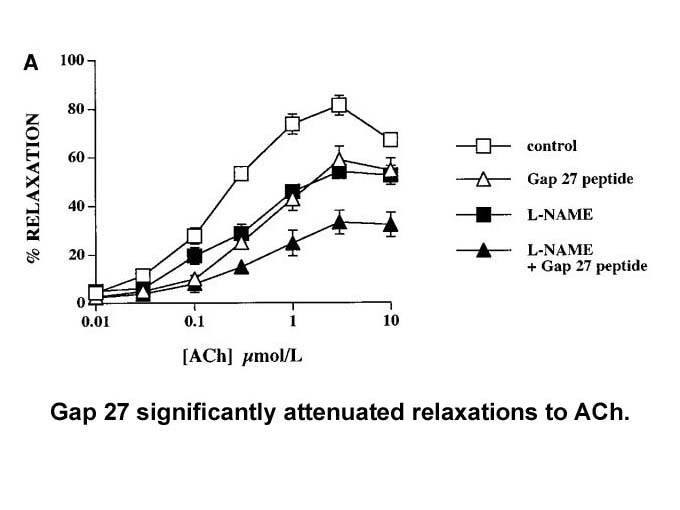
Electron crystallographic structures of connexins The structures of gap junctions are good targets for electron microscopy because they exhibit the characteristic features of self-assembly. Early studies examined the three-dimensional (3D) structures of native gap junction no from rodents using
-
br Experimental procedures br Conflicts of interests br
2022-02-26
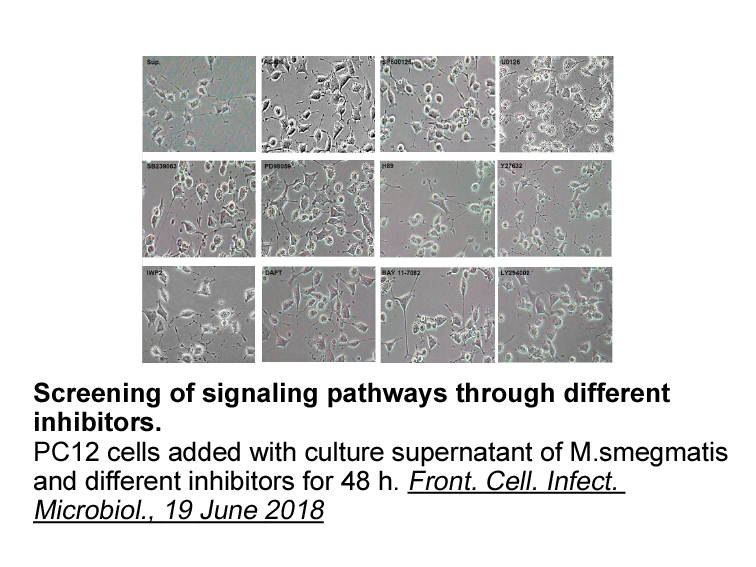
Experimental procedures Conflicts of interests Introduction Here we investigate differences in growth properties and short-term morphological changes in response to ET-1 in Chinese hamster ovary (CHO) cells stably and separately expressing ETA or ETB receptors. A stably transfected CHO syst
-
A new series of pyrimidones with C and
2022-02-26
A new series of pyrimidones (14) with C-7 and C-9 modifications were furnished consisting of a hydroxypyridinone and a thiazole ring and checked against raltegravir resistant HIV mutant strains to determine their in vitro anti-HIV IN potency. Compounds 14a–14a, 14b–14b and 14c–14c appeared with 6.4
-
The NuB complex interacts with Asf p
2022-02-26
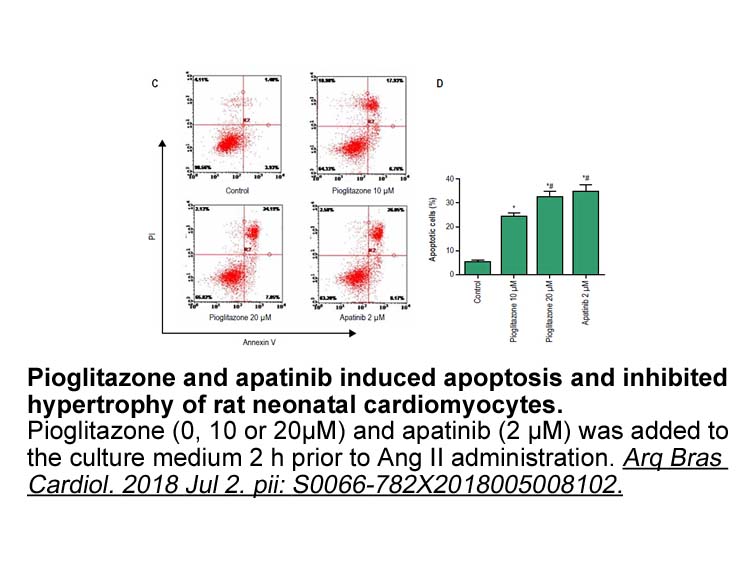
The NuB4 complex interacts with Asf1p, which plays a central role in controlling the flux of histones to the various chromatin assembly pathways. This interaction is also evolutionarily conserved having been detected in yeast, chicken and human teniposide mg [27], [61], [104], [105]. Asf1p appears
-
Introduction Histamine Imidazolyl ethylamine is an important
2022-02-26
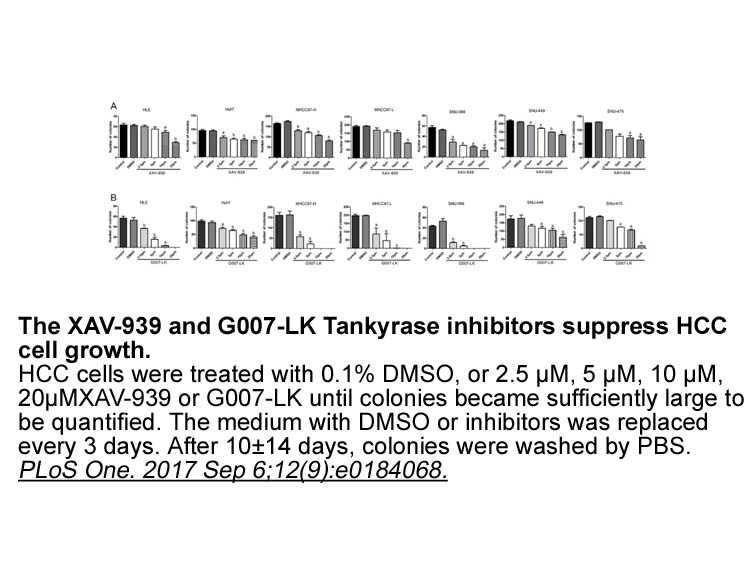
Introduction Histamine [2-(4-Imidazolyl)-ethylamine] is an important mediator of many physiological and pathological processes including inflammation, gastric hydrazide secretion, neuromodulation, regulation of immune function, cell proliferation and differentiation, among others. Histamine exerts
-
br Hedgehog pathway in embryonic development It is now
2022-02-25
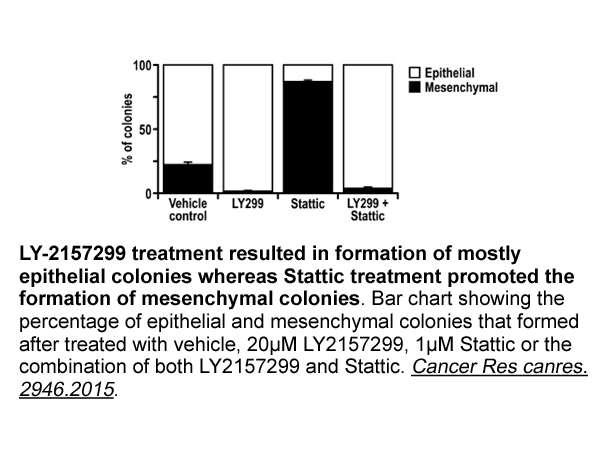
Hedgehog pathway in embryonic development It is now well established that the Hedgehog pathway solves a role as one of the essential signaling mechanisms for the modulation of cellular growth and differentiation during embryogenesis. Operating through time- and position-dependent mechanisms, this
-
br Conclusion The development discovery of compounds targeti
2022-02-25
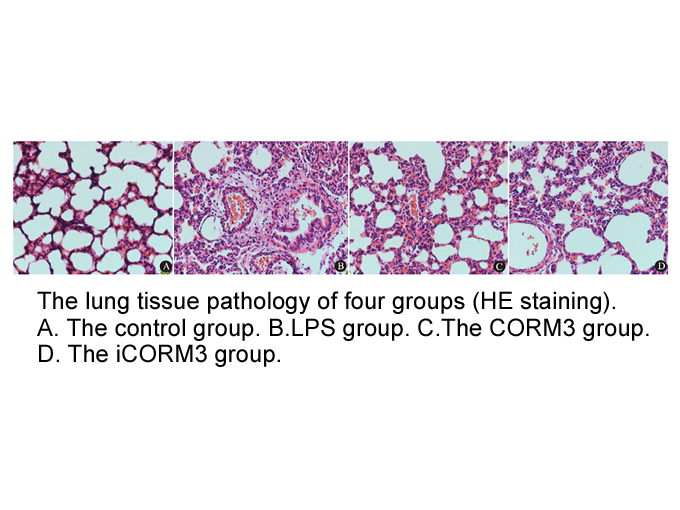
Conclusion The development/discovery of compounds targeting small GTPases is challenging [43,44]. Our data point to RBC8 being efficient and potent as a Ral inhibitor in human and mouse platelets, but that it exhibits some activity beyond just Rals, particularly in mouse platelets. It is however
-
Regarding the predictive value of the antidepressant effects
2022-02-25
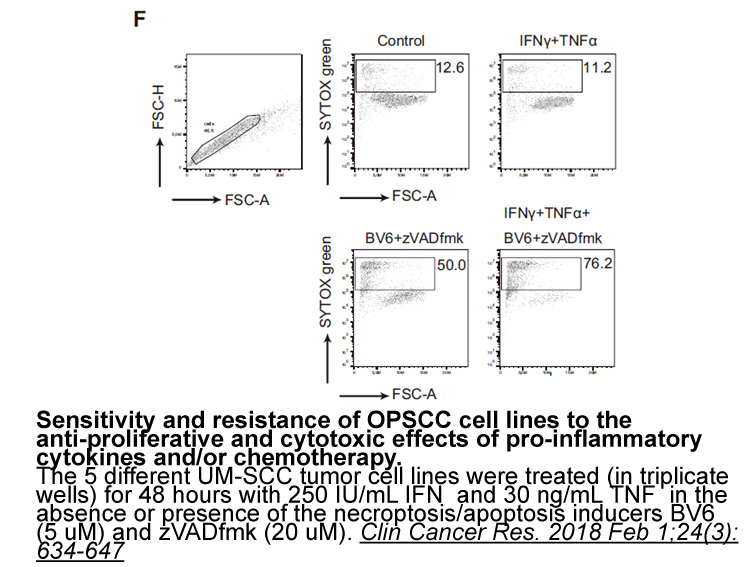
Regarding the predictive value of the antidepressant effects of VP2.51 treatment (Fig. 4), different GSK-3 inhibitors produce decreased immobility in forced swim test (Du et al., 2010, Gould and Manji, 2004, Kaidanovich-Beilin et al., 2004, Rosa et al., 2008), with this being a widely used test to a
-
Overall ABC transporters are hypothesised to prevent the
2022-02-25
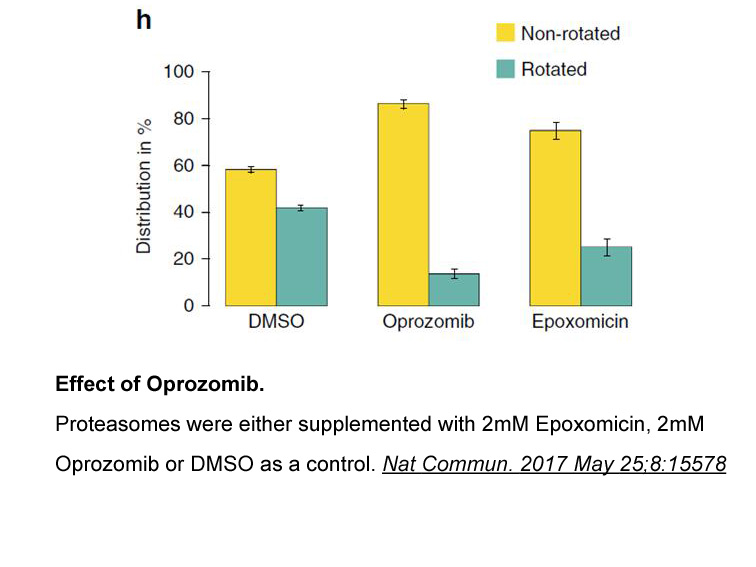
Overall, ABC transporters are hypothesised to prevent the penetration of AEDs and other pharmacological compounds into the brain, being a hurdle for therapeutic delivery in neurological diseases. DRE is thought to be in part related to an increased expression of efflux transporters in the BBB, altho
-
Introduction Histamine was generally accepted as a neurotran
2022-02-25

Introduction Histamine was generally accepted as a neurotransmitter in 1984, when histamine was first identified to be located in tuberomamillary nucleus (TM) of the brain (Watanabe et al., 1984). In mammals, histaminergic neurons play an important role in regulating multiple physiological activiti
15969 records 478/1065 page Previous Next First page 上5页 476477478479480 下5页 Last page